What Are the Pros and Cons of Dental Bridges?
Missing teeth can make eating and speaking difficult. Dental bridges offer a reliable way to fill these gaps and beautifully restore your smile. This restorative treatment attaches an artificial tooth to adjacent natural teeth, providing essential functional and visual improvements. Knowing the pros and cons of dental bridges helps you make informed choices with Family First Dental. Let’s look closely at how this procedure works, what to expect, and how it impacts your long-term health.
What Are Dental Bridges?
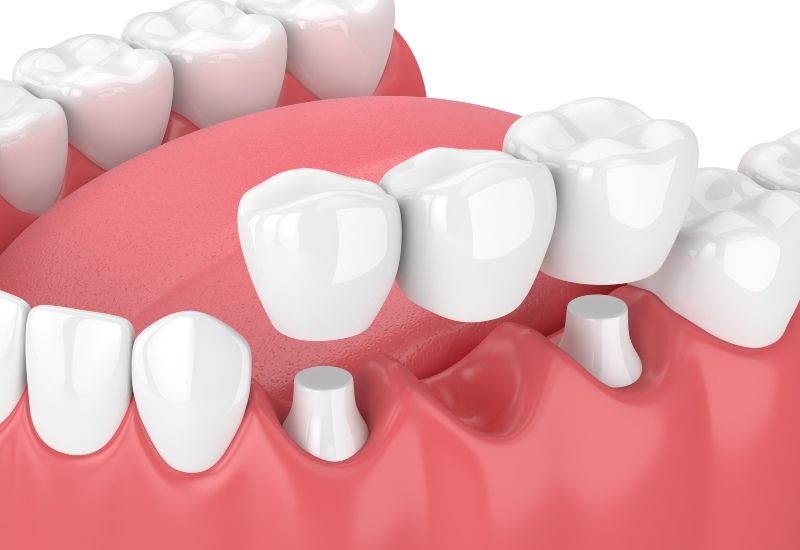
Dental bridges are custom-made oral appliances designed to replace one or more missing teeth. They consist of an artificial tooth anchored securely in place by dental crowns attached to neighboring healthy teeth. Bridges blend seamlessly with your natural teeth, offering a strong, permanent solution for a complete smile.
Key Benefits of Cosmetic Dental Bridges
Choosing this treatment offers several distinct advantages. Here are the primary benefits of dental bridges to consider for your oral health:
- Smile Restoration – A bridge fills gaps in your smile, helping to restore your teeth’s natural appearance.
- Bite Improvement – Missing teeth disrupt your bite force. A bridge distributes chewing pressure evenly across your entire jaw.
- Speech Clarity – Gaps can affect how you pronounce specific words. Replacing missing teeth helps you speak clearly and confidently again.
- Shape Maintenance – Empty spaces cause remaining teeth to shift. A bridge holds adjacent teeth firmly in their proper positions.
Limitations of Dental Bridges
Understanding the disadvantages of dental bridges requires examining the preparation process. Placing a traditional bridge requires permanently altering the healthy adjacent teeth to accommodate the anchoring crowns. These supporting teeth bear extra stress over time. Bridges also lack an artificial root, meaning they cannot stimulate the underlying jawbone like modern dental implants do.
Risks and Long-Term Considerations
Every dental procedure requires careful thought about future care. Review these potential risks of dental bridges before making a final decision:
- Decay Vulnerability – The anchoring teeth remain susceptible to cavities. Poor hygiene can easily lead to decay under the fitted crowns.
- Gum Disease – Plaque easily accumulates around the bridge structure. Thorough daily cleaning prevents irritation and severe gum inflammation.
- Structural Wear – Bridges withstand significant daily pressure from chewing hard foods. The materials may eventually chip or require professional adjustments.
Pros and Cons of Dental Bridges
Evaluating your options requires a clear perspective. Here is a brief look at the advantages of dental bridges alongside a few drawbacks:
- Pro: Quick Procedure – The placement process finishes quickly. You regain a functional smile in just a few short visits.
- Pro: Secure Fit – Bridges stay firmly in place without slipping. They offer great stability for daily eating and speaking.
- Con: Enamel Removal – Creating the anchors requires removing healthy enamel. This physical change to adjacent teeth remains permanent.
- Con: Bone Loss – The jawbone underneath the missing tooth may weaken. Bridges cannot prevent bone resorption over time.
Are Dental Bridges the Right Choice for You?
Deciding on a treatment depends entirely on your specific oral health needs. Cosmetic dental bridges are highly effective for many patients seeking a reliable tooth replacement. A thorough dental exam helps identify the safest, most effective approach for your smile. Your dentist will help explore all available restorative options.
Frequently Asked Questions
Most dental bridges last between five and fifteen years with proper maintenance. Good oral hygiene habits and routine professional cleanings significantly extend their lifespan. Avoiding hard or sticky foods also protects the ceramic materials from unnecessary wear, keeping your restoration strong and functional.
Keeping your restoration clean prevents complications and prolongs its functional life. Follow these daily habits to maintain your bridge properly:
- Daily Brushing – Brush your teeth twice a day with fluoride toothpaste. This simple step keeps the surrounding natural teeth healthy.
- Specialized Flossing – Use a floss threader or water flosser daily. These specialized tools clean effectively underneath the artificial tooth.
- Routine Checkups – Visit your dentist regularly for professional cleanings. Regular exams ensure the bridge remains firmly attached and functional.
Not everyone qualifies for this restorative procedure. The best candidates ideally have these conditions for their teeth:
- Healthy Anchor Teeth – The adjacent teeth must remain structurally sound. They need enough inherent strength to support the new dental crowns.
- Healthy Gum Tissue – Patients need an infection-free mouth before starting treatment. Active periodontal disease disqualifies someone until the condition is fully managed.
- Hygiene Commitment – Good candidates practice excellent daily brushing and flossing. A strong hygiene routine prevents future decay around the bridge.
Many dental insurance plans cover a significant portion of the costs for bridges. Coverage percentages vary widely depending on your specific policy and provider. We can easily help verify your benefits and clearly outline your financial options before beginning any restorative dental treatment.
Brighten Your Smile Today
Replacing a missing tooth improves both your oral health and daily confidence. Reviewing the disadvantages of dental bridges alongside the benefits ensures you make the best choice. If you live in or around Warrenville, IL, contact Family First Dental today to schedule your consultation and explore your dental restoration options.